

PRP (Platelet-Rich Plasma) Hair Treatment
If you’re experiencing hair loss and seeking an effective solution to restore healthy hair, PRP hair treatment could be a suitable option. This method is especially popular among individuals with thinning hair and weakened hair roots. Anasin Clinic offers a reliable and cost-effective PRP hair treatment.

What is PRP hair treatment?
Platelet-rich plasma (PRP) is a medical treatment that uses the patient’s own blood plasma to address hair loss. PRP treatment application involves four steps.
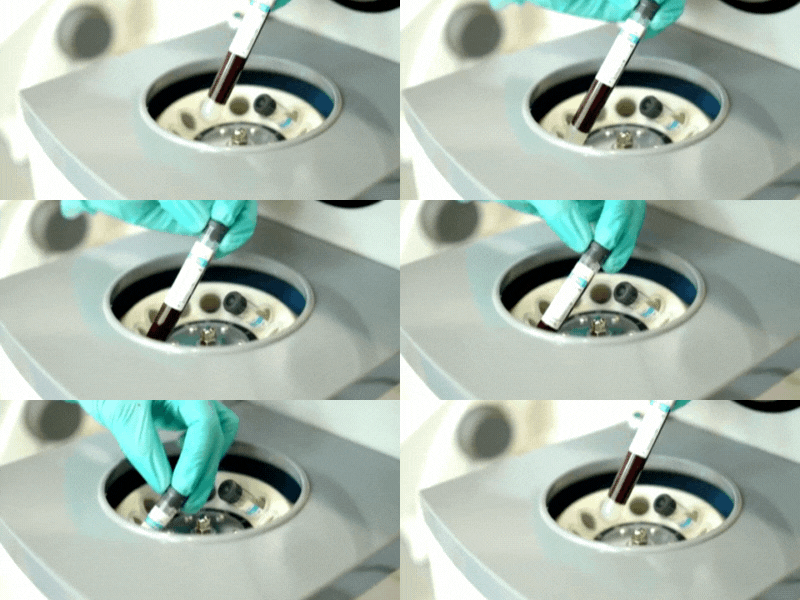
1- Blood is drawn and put in a centrifuge machine to separate the different phases according to their densities.
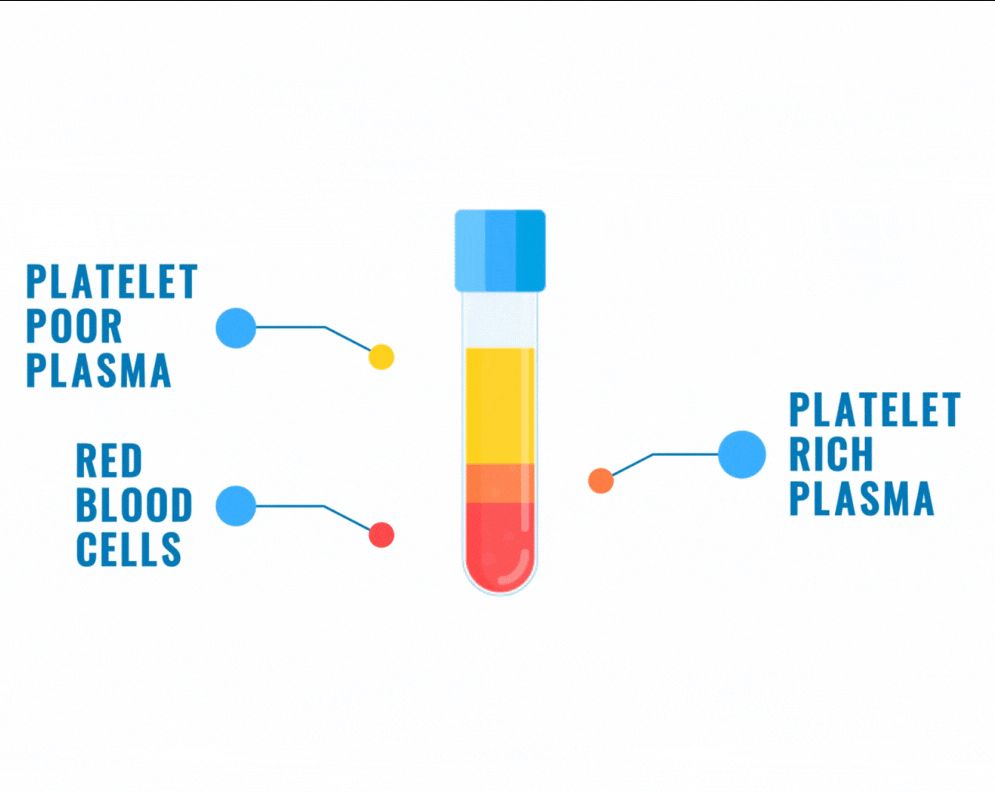
2- The centrifuge process is complete blood will be separated into three phases: platelet-rich plasma, platelet-poor plasma, and red blood cells.
3- Only the platelet-rich plasma is extracted from the other two phases with the help of a syringe.
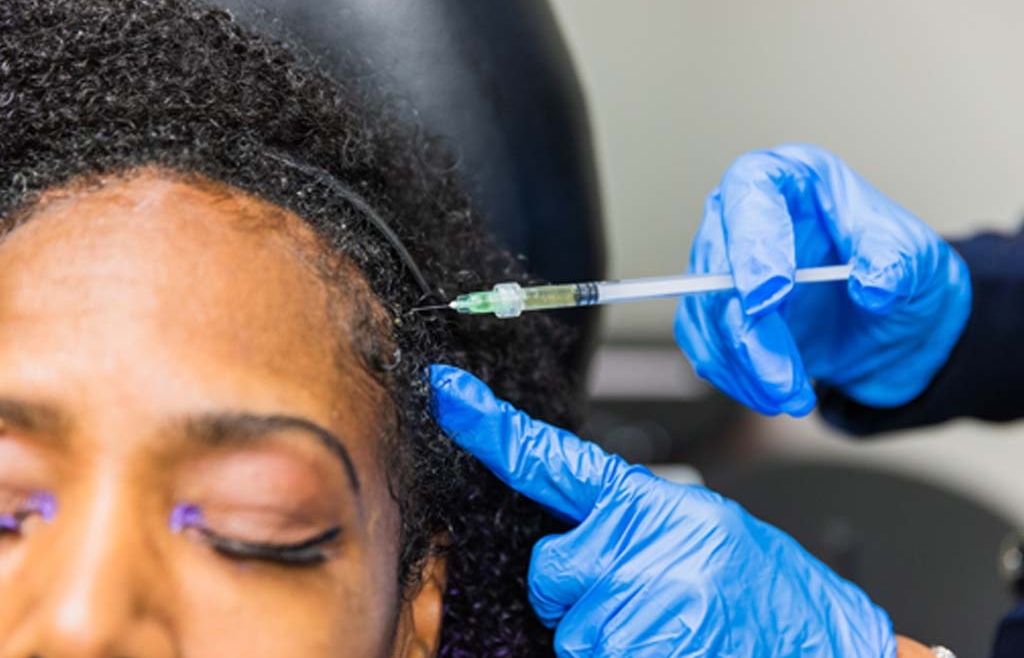
4- Extracted platelet-rich plasma is injected into the scalp to promote hair growth.
Each injection takes approximately 15 seconds, and your medical professional will massage your scalp to enhance blood circulation.
PRP treatment for hair loss is a quick and easy process that provides ultimate patient comfort.The whole PRP process can take up to 45 minutes and multiple treatments are usually applied for satisfactory results. These sessions can be spaced out every 2-3 months, or in special conditions, they can be done one month apart for 3-4 sessions. However, if you are not able to schedule more than one session, a single session treatment can also be applied to stimulate growth and improve hair follicles’ health.
How does PRP treatment work?
PRP can be a good choice to stop hair loss and strengthen thinning hair thanks to its rich content of growth factors, proteins, and thrombocytes. Various studies show that PRP promotes natural hair growth and increases hair thickness by increasing the blood flow to the hair follicle. Since PRP is rich in proteins and vitamins, it is also considered to be a suitable solution for hair loss caused by nutritional deficiencies.
Who is a good candidate for PRP hair treatment?
PRP hair treatment is ideal for individuals experiencing thinning hair or moderate hair loss. It’s also a beneficial option for those who wish to boost the results of a hair transplant by improving the health of their hair follicles. Additionally, those who are hesitant about undergoing hair transplant surgery may consider PRP treatment as a non-invasive way to slow or prevent further hair loss.
However, certain factors such as the use of blood thinners, heavy smoking, or specific medical conditions may affect your eligibility for the procedure. For personalized advice, we recommend speaking with our medical consultants for a comprehensive consultation.
Is PRP hair treatment safe?
Since PRP (Platelet-Rich Plasma) hair treatment uses the patient’s own blood plasma, it is generally considered safe when performed by a qualified professional. Some mild side effects may occur, such as slight pain, redness, temporary shedding, or headaches.
Is PRP Hair Treatment Painful?
Discomfort during PRP treatment is usually minimal. Drawing blood may cause slight discomfort, but the injection process is typically made more comfortable with the use of local anaesthesia.
PRP vs. Hair Transplant: Which Is Better?
Hair transplant and PRP treatments serve different purposes. Hair transplant involves moving healthy hair follicles—typically from the back of the head—to areas with thinning or no hair to restore density and appearance.
PRP, on the other hand, focuses on nourishing and strengthening existing hair follicles using the growth factors in your own blood.
The choice between PRP and a hair transplant depends on the severity and pattern of your hair loss. PRP is not effective for complete baldness but is beneficial for male pattern hair loss, localized thinning, or women experiencing diffuse hair loss. It’s also a preferred choice for those who want a less invasive solution.
Combining PRP With Hair Transplant
At ANASIN Hair, PRP is often used alongside hair transplant procedures to enhance the results. Applying PRP after a transplant can support the healing process, improve blood flow, and help the newly transplanted follicles settle and thrive.
Should I Have PRP After a Hair Transplant?
Yes, PRP is frequently recommended following a hair transplant. It can improve follicle survival, support healing, and help ensure stronger, thicker growth from the transplanted hairs.
The timing of PRP sessions post-surgery can vary depending on your individual condition. For tailored advice, consult our medical team to determine the best timeline for your situation.
When Will I See Results From PRP Hair Treatment?
PRP enhances the natural hair growth cycle and improves follicle health. Some patients notice immediate improvements, such as shinier and healthier hair.
It’s best to avoid washing your hair for 24 hours and to give your scalp 48 hours of rest after the procedure for optimal results.
Full effects typically appear within 4 to 6 weeks, though in some cases, it may take up to 12 weeks, depending on your hair type and growth cycle.